Color Trends in Minimalist Kitchen Design
- Neutral palettes dominate minimalist kitchen designs, providing serenity and harmony.
- Accent colors add a pop of personality without overwhelming the aesthetic.
- Textures play a crucial role in creating depth and interest in a minimalist space.
- Natural hues enhance the flow of a kitchen, contributing to a more organic feel.
- Consistency in color usage helps maintain a cohesive look throughout the kitchen.
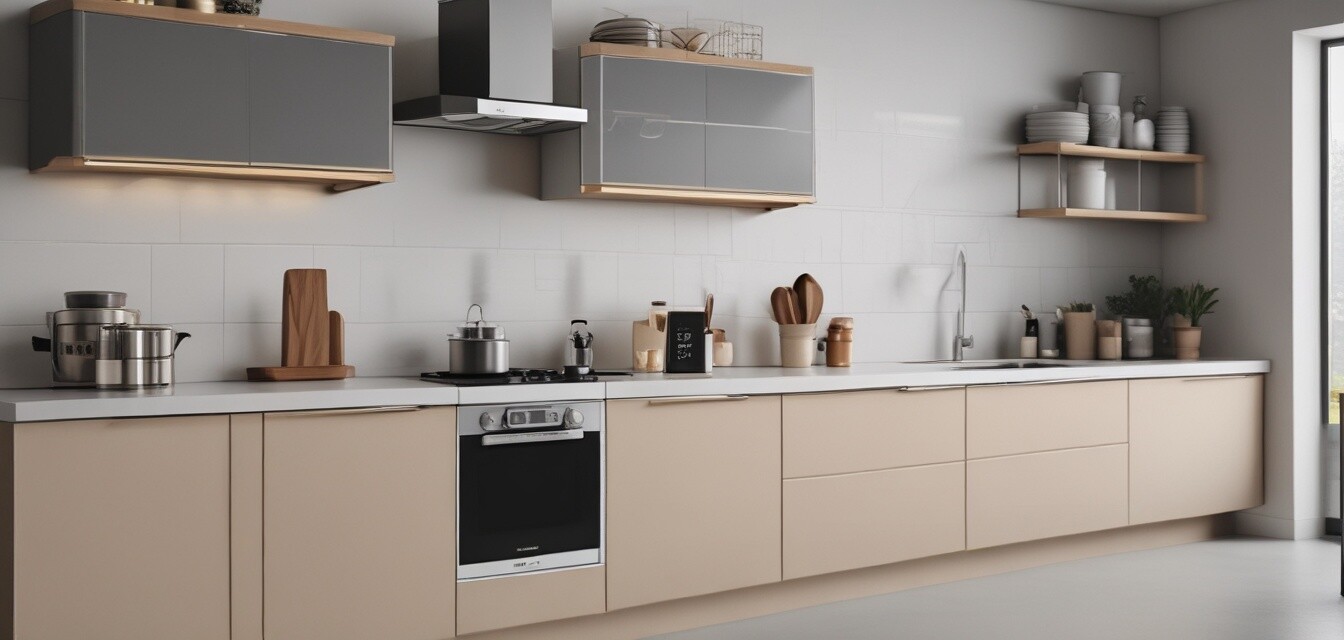
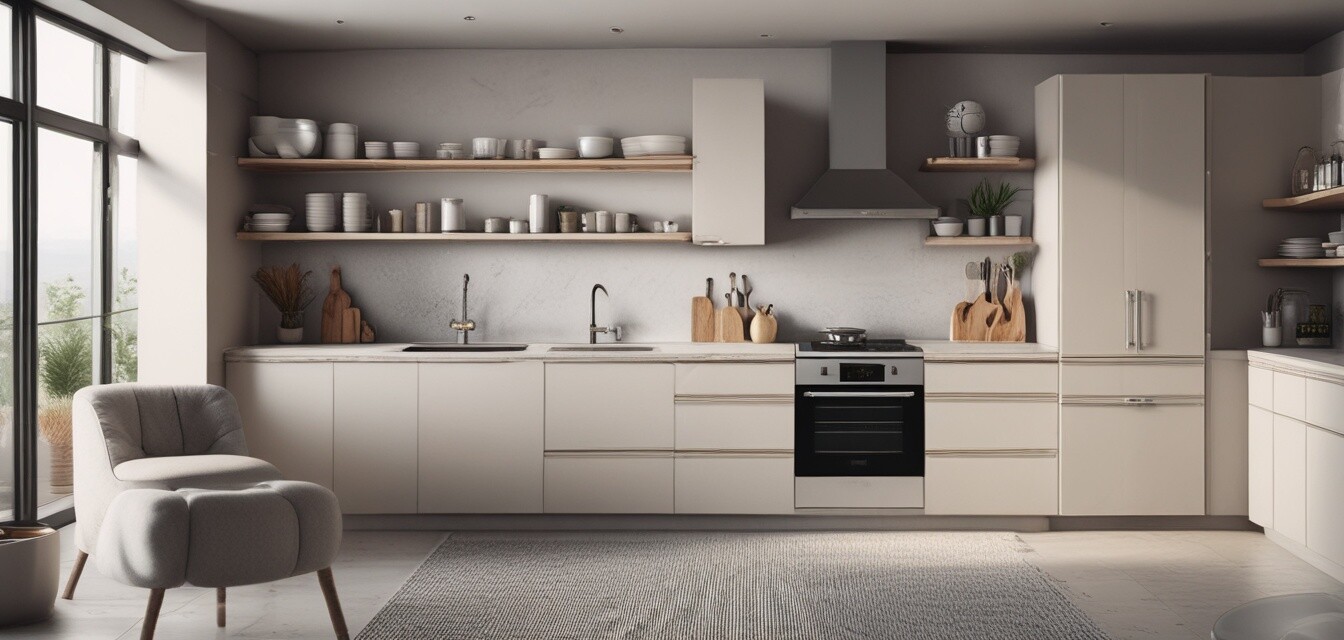
Minimalist kitchens are a hallmark of modern design, focusing on simplicity and functionality. With the right color trends, these kitchens can be transformed into stunning visual statements while still being practical. This article analyzes popular color trends that complement minimalist kitchen appliances, giving your space an aesthetic lift.
Understanding the minimalist approach
A minimalist approach to kitchen design revolves around clean lines, uncluttered spaces, and a limited color palette. This principle not only applies to appliances but also to paint, cabinetry, and other decor. Emphasizing simplicity allows for enhanced functionality and promotes a calming atmosphere.
Popular colors for minimalist kitchens
- Whites and creams: Offering a clean and fresh look.
- Grays and silvers: Ideal for a sleek, contemporary appearance.
- Pale blues and greens: Adding a touch of tranquility.
- Earth tones: Creating a warm and inviting environment.
Color usage strategies
Utilizing color smartly can greatly enhance the minimalist aesthetic in your kitchen. Here are some effective strategies for color usage:
Beginners section
- Start with a neutral base: Choose white, gray, or cream as your primary color to create a spacious feel.
- Add accent colors: Use bolder colors in accessories, such as dishware, or small appliances to create focal points.
- Incorporate textures: Use different materials like wood, metal, or stone to enhance visual interest without overloading the palette.
- Consider lighting: Natural light can affect color perception, so consider window placements and lighting fixtures that complement your color choices.
Creating balance in color schemes
Finding harmony in your color scheme can be tricky. The following table outlines how different colors can create balance in a minimalist kitchen.
| Color | Effect | Best Combinations |
|---|---|---|
| White | Opens up space | Grays, pale pastels |
| Gray | Modern elegance | Black, blues |
| Pale Blue | Serene ambiance | White, soft yellows |
| Earth Tones | Warmth and comfort | Greens, creams |
Font and color choices for minimalist decor
When it comes to fonts, stick with simple and readable styles. However, your text color can also add to the minimalistic feel:
- Use dark gray or black for text to contrast effectively with lighter backgrounds.
- White or light-toned text looks sharp on darker surfaces, but limit to smaller elements.
Incorporating modern appliances
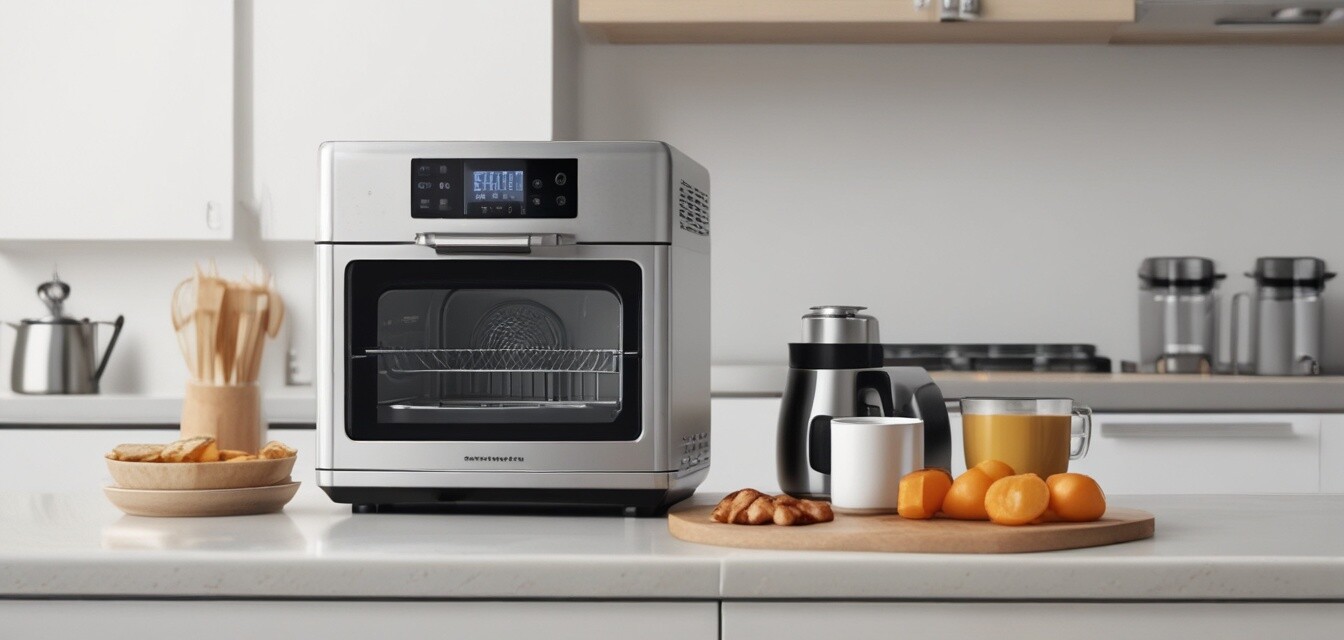
Minimalist kitchen appliances serve as both functional and aesthetic elements. When choosing appliances, consider how their colors and finishes fit into your overall design. For example, stainless steel appliances complement a variety of palettes and add a sleekness to the kitchen. To browse through various kitchen appliance categories, consider our pages on compact coffee makers, efficient dishwashers, and simple air fryers.
Textures in minimalist kitchens
Texture adds depth to a minimalist kitchen, making it visually appealing without cluttering. Here are some popular textures:
- Smooth surfaces: Stainless steel and glass for a sleek appearance.
- Natural wood: Adds warmth and a touch of nature.
- Glossy tiles: Reflect light and create a sense of spaciousness.
Conclusion
Color trends in minimalist kitchen design highlight the importance of simplicity and function. By wisely choosing your color palette and incorporating textures, you can enhance your kitchen's aesthetic while maintaining its minimalist roots. Remember, a well-balanced design involves understanding how colors interact and the impact they have on space.
Pros
- Creates a spacious atmosphere.
- Promotes calmness and serenity.
- Allows flexibility with personal style through accent colors.
Cons
- Can feel cold if executed poorly.
- Less luxury appeal for some homeowners.
- Requires careful planning to avoid monotony.
Images in minimalist kitchen design
Incorporating carefully selected images can enhance the visual narrative of your minimalist kitchen: